Facebook Ad Costs Are Falling in 2026 — Should You Buy Back In?
New 2026 benchmark data shows Facebook clicks got cheaper and engagement improved — but lead costs held flat. Here’s the honest read for Fort Wayne owners.
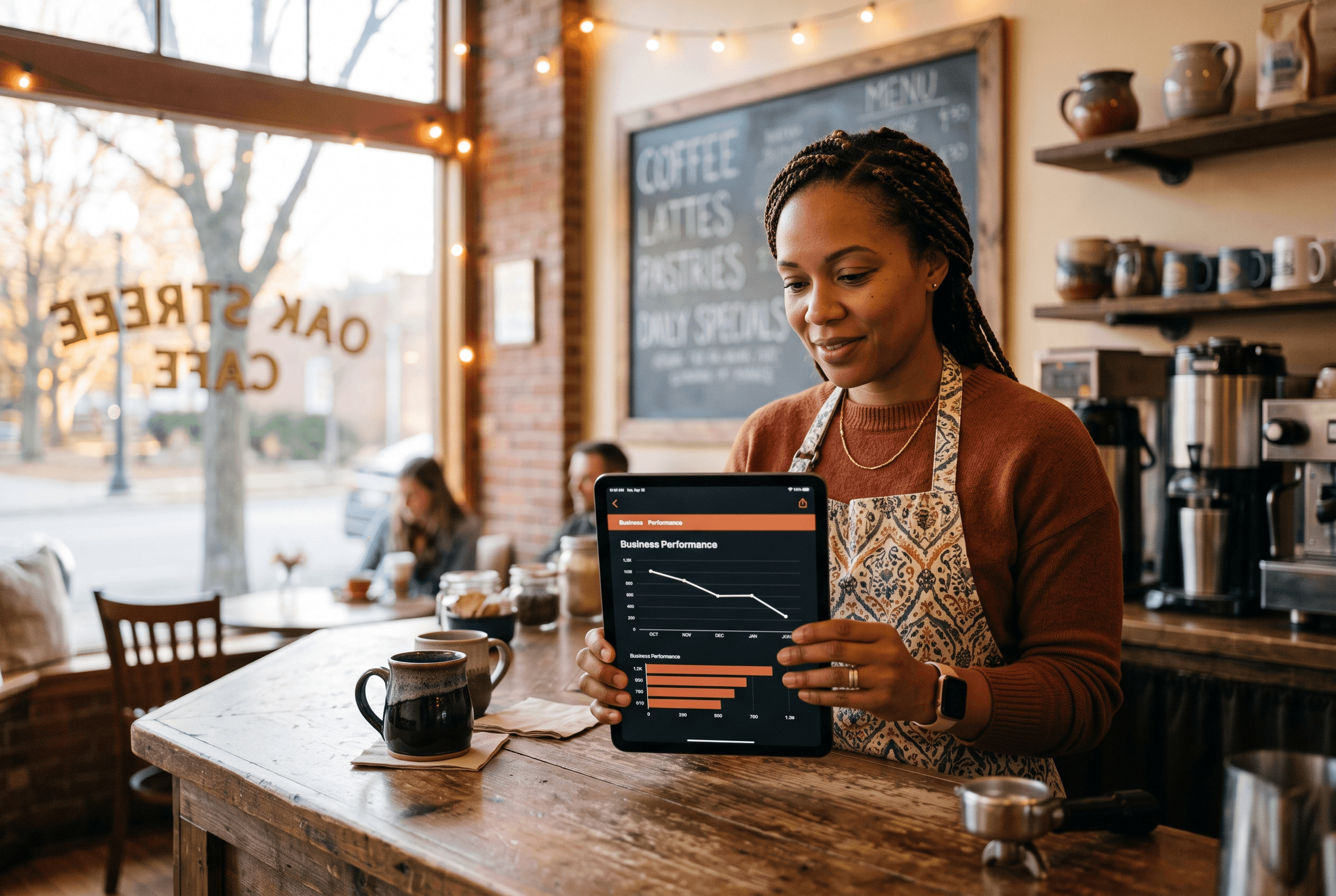
A lot of Fort Wayne owners quietly walked away from Facebook and Instagram ads a couple of years ago. Costs crept up, returns thinned out, and the whole thing started to feel like feeding quarters into a machine that gave less back every month. If that was you, a new set of numbers is worth a look — not because paid social is suddenly a miracle, but because the math shifted enough to reopen the question.
New 2026 benchmark data reported by Search Engine Land — drawn from a study of roughly 1,800 Facebook campaigns by WordStream by LocaliQ — shows clicks got cheaper and engagement improved across most industries.2 That is real, and it is good news. But the same data carries a catch most headlines skip: the cost to actually generate a lead barely moved. So the honest answer to “should I buy back in?” is the one we give a lot around here — it depends, and for some of you the answer is still no. This piece walks the numbers, then tells you which Fort Wayne businesses this actually helps and how to test it without lighting money on fire. It pairs with our broader Fort Wayne Digital Marketing Playbook if you want the full channel-by-channel picture.
Key takeaways from the 2026 data:
- Facebook traffic-campaign clicks fell about 14% year over year to roughly $0.60, and click-through rates improved — advertisers are getting cheaper, more engaged clicks.
- Cost per lead stayed nearly flat at about $23, so cheaper clicks did not translate into cheaper customers for most businesses.
- Impression costs (CPM) actually rose in some 2026 datasets, even as efficiency and return on ad spend improved.
- Restaurants, retail, and awareness-stage local brands stand to benefit most; high-intent “call now” home services are usually still better served by Google.
- Measure cost per booked lead, not clicks — and give any test 30 days before you judge it.
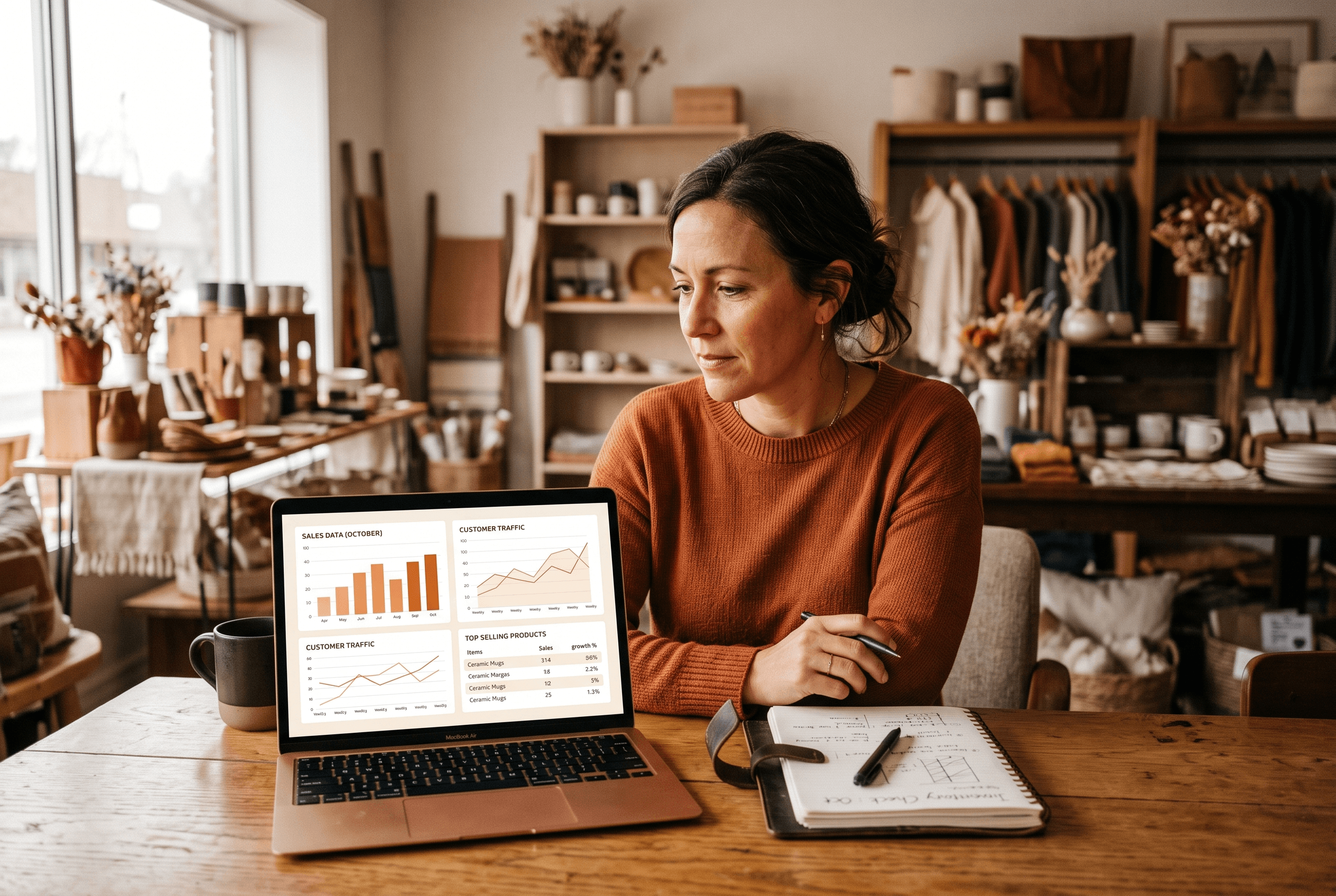
What Did the 2026 Facebook Ad Cost Report Actually Find?
The short version: on traffic campaigns — the kind built to send people to your site or profile — clicks got noticeably cheaper. According to the WordStream by LocaliQ benchmarks, the average traffic cost per click fell about 14% year over year to roughly $0.60, while the average click-through rate climbed to about 1.93%.1 In plain terms, you pay less per click and a larger share of the people who see your ad actually tap it. Some categories saw dramatic swings: restaurants and food posted one of the biggest cost-per-click drops (down about 38%), and real estate led the pack (down about 40%).
Lead campaigns — the ones built to capture a name, phone number, or form fill — moved less. The average lead-campaign click cost held roughly flat at about $1.92, click-through rate edged up to around 2.70%, and the conversion rate landed near 8.5%. The number that matters most, though — cost per lead — came in around $23 and barely improved year over year, even as traffic clicks got much cheaper.
It is also not uniformly good. A couple of categories moved the wrong way: shopping, collectibles, and gifts saw traffic click costs jump sharply, as did sports and recreation. So “Facebook got cheaper” is true on average and false in specific corners — which is exactly why you check your own numbers rather than a headline.
| 2026 Facebook benchmark | Traffic campaigns | Lead campaigns |
|---|---|---|
| Average cost per click | ~$0.60 (down ~14%) | ~$1.92 (roughly flat) |
| Click-through rate | ~1.93% (up) | ~2.70% (up) |
| Conversion rate | — | ~8.5% |
| Cost per lead | — | ~$23 (roughly flat) |
Cheaper Clicks or Cheaper Customers? Why the Difference Matters
Here is the part worth slowing down on. Cheaper clicks and a flat cost per lead are not a contradiction — they are the whole story. If your click got about 14% cheaper but your cost per lead barely moved, it means more of those cheaper clicks are not turning into leads. The savings are getting eaten somewhere between the click and the form.
A second independent benchmark makes the tension even clearer. Visible Factors’ 2026 analysis found traffic click costs easing (to roughly $0.70, down from about $0.77) while the median cost per thousand impressions — CPM — actually rose across the board, to about $13.48.3 Its data showed return on ad spend improving in 12 of 15 industry verticals even as impression prices went up. So depending on which lever you look at, Facebook in 2026 is simultaneously cheaper (per click) and more expensive (per impression), with the net result being better efficiency for advertisers who are set up to convert.
That nuance is the difference between a channel that pays and one that just looks busy. If you send cheap clicks to a page that does not convert, you will happily spend less per click and still lose money. This is the same trap we describe in why a Fort Wayne website gets visitors but no calls: traffic is not the finish line. Before you reopen a Facebook budget, be honest about whether the page those clicks land on is built to book the job.
Which Fort Wayne Businesses Should Look at Facebook Again?
Paid social has always rewarded certain business types more than others, and the 2026 numbers reinforce it. If you sell something people discover, browse, or decide on emotionally — rather than something they urgently search for — cheaper, more engaged clicks are genuinely useful.
The strongest fits in Allen County and Northeast Indiana:
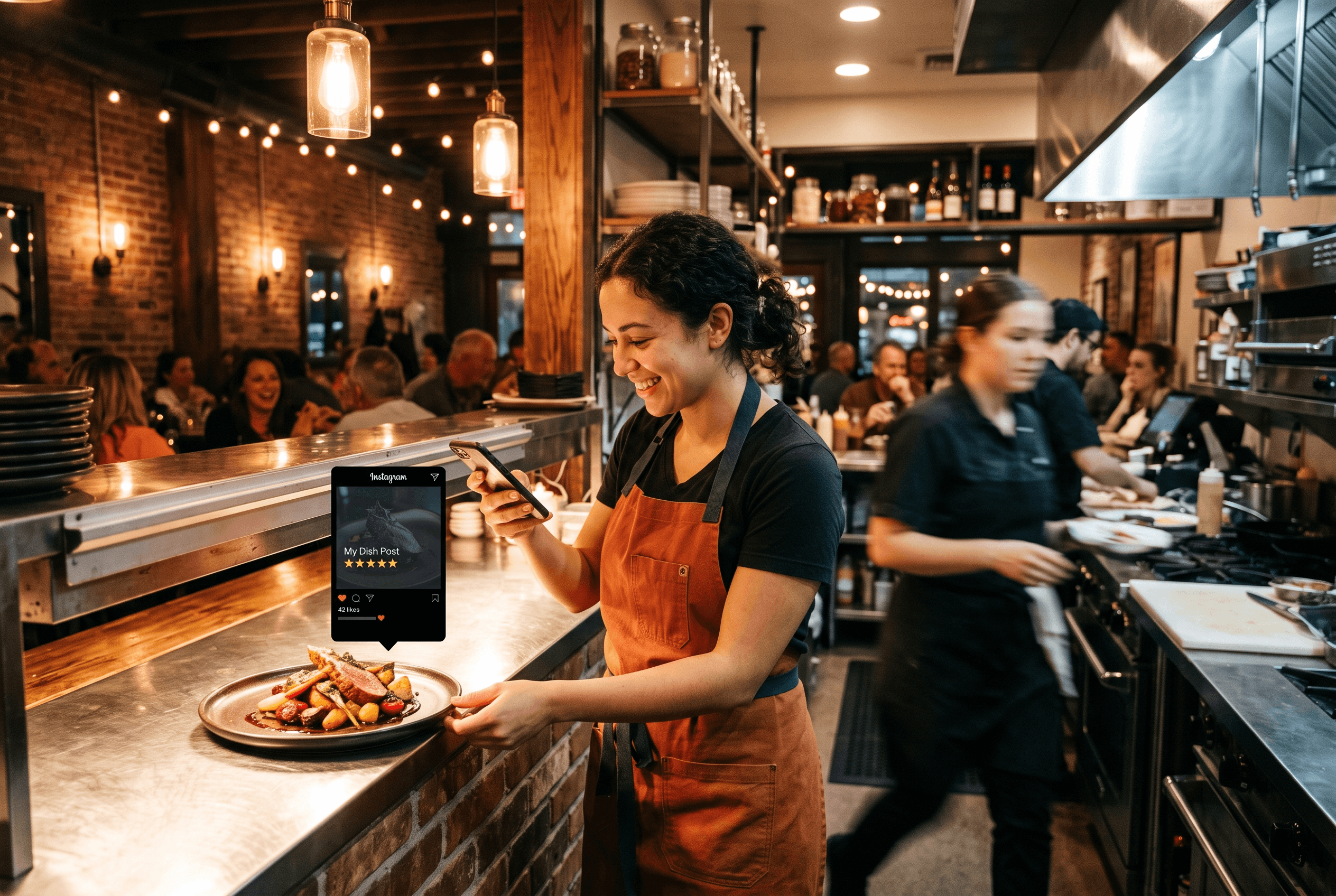
- Restaurants, cafes, and food trucks. The restaurant category posted one of the largest cost-per-click drops in the WordStream data, and food is inherently visual and impulse-driven. A new menu, a weekend special, or a grand opening is a natural Facebook and Instagram play.
- Retail and boutique shops. Product photos, seasonal drops, and “we’re open late for the holiday market” awareness all work well in-feed — and they’re the kind of demand Google search rarely captures because nobody types “cute gift under $30 near me” the way they’ll scroll past it.
- Event-driven and awareness-stage brands. Gyms with a January push, med-spas, salons, real estate open houses, festivals, and anything where you’re building want rather than catching existing demand.
For these businesses, the improved engagement matters as much as the cheaper click. If you tried Facebook two years ago and the audience felt cold, the 2026 click-through improvements suggest the targeting and creative tools have genuinely gotten better at putting your ad in front of people who care. If you’d rather not manage the day-to-day yourself, that’s what our social media marketing and advertising management services exist for — but the decision to test comes first.
Which Businesses This Doesn’t Change Much For
Now the part where we tell you the answer might be no. If your business runs on high-intent, “I need this fixed today” demand, falling Facebook click costs don’t change your best move much. When an Allen County homeowner’s water heater fails, they don’t scroll Instagram — they search “plumber near me” or tap a name in the Google Map Pack. That bottom-of-funnel, ready-to-buy moment still belongs to Google Search and Local Services Ads.
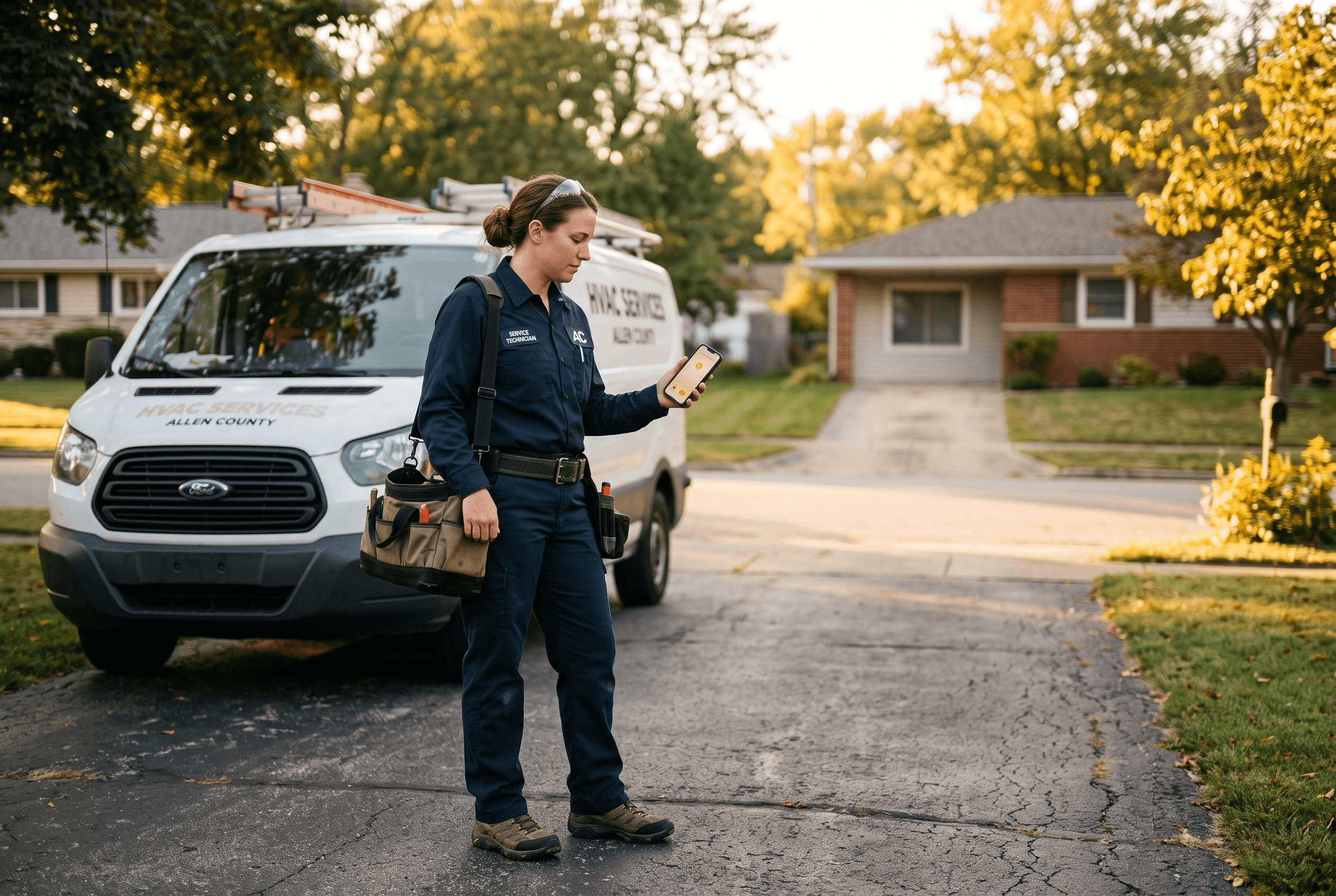
HVAC, plumbing, electrical, roofing, garage doors, and most emergency trades fall here. For those businesses, the honest priority order usually starts with Google, where that ready-to-buy search demand actually lives. That doesn’t mean Facebook is useless for a trade — it can build name recognition so you’re the familiar name when the search does happen — but it’s a support role, not the lead engine. Spending your first (or only) $500 there instead of on high-intent search is usually the wrong call for a service business.
It’s also worth remembering that letting Meta’s automation drive is a separate decision from whether to advertise at all. We covered that in should you let Meta’s AI run your Fort Wayne Facebook ads — cheaper clicks don’t remove the need for a human to watch what the AI actually spends the money on.
What This Means for Allen County Ad Budgets
For a typical Fort Wayne small business working with a few hundred to a couple thousand dollars a month, the practical takeaway is modest and specific. A ~$0.60 traffic click sounds cheap until you remember the lead behind it still costs around $23 on average — and a booked customer costs more than that, because not every lead closes. On a $400 monthly test, that’s a realistic ceiling of maybe fifteen or so leads, not hundreds. Go in with that expectation and you won’t be disappointed; go in expecting the click price to be the whole story and you will be.
The other local reality is the contrast with paid search. A restaurant or boutique often gets more mileage from a cheap, engaging Facebook click than from an expensive search click nobody’s typing. A service business usually gets the opposite. If you want the paid-search side of that comparison for our market, our Fort Wayne Google Ads benchmarks show what clicks actually cost by industry here — read the two together, because the right answer for your shop is almost always a mix weighted toward how your customers actually decide.
A 30-Day Test Plan: How to Try Paid Social Without Wasting Money
If you’re in one of the categories that fits, here’s a low-risk way to find out for yourself rather than trusting any benchmark, ours included:
- Set a real but capped budget. $300–$500 for 30 days is enough to learn something and small enough that a dud doesn’t hurt. Don’t stretch it thinner across five campaigns — pick one offer.
- Pick one clear objective and one audience. A single promotion (a special, an event, a signature product) to your Allen County service area. Resist the urge to advertise everything at once.
- Send clicks somewhere built to convert. A dedicated landing page or a genuinely bookable profile — not a generic homepage. Cheap clicks are wasted on a page that can’t close.
- Measure cost per booked lead, not clicks or impressions. This is the whole game. Track how many real inquiries and booked customers the spend produced. Our guide to the seven marketing metrics that actually matter walks through defining that number honestly.
- Give it the full 30 days, then decide. Meta’s system needs time to optimize, so judging week one is premature. But if 30 days of honest tracking shows the cost per booked lead doesn’t beat your other channels, kill it without guilt. That’s a successful test, not a failure.
If you want the exact setup steps for objectives, audiences, and conversion events, Meta documents them in the Meta Business Help Center — worth a bookmark whether you run it yourself or hand it off.4
The Bottom Line
Facebook ads in 2026 are cheaper to click and better at engaging the people who click — that part of the report is real, and for the right Fort Wayne business it reopens a door that’s been shut for a while. But cheaper clicks didn’t become cheaper customers, and for high-intent service demand, Google still owns the moment that matters. Reopen the question if you’re a restaurant, shop, or awareness-stage brand. Skip it, or keep it in a support role, if you live on emergency search demand. Either way, test small, measure the right number, and let the results decide.
Ready to Test Paid Social the Smart Way?
You don’t need a big budget to find out whether Facebook belongs in your mix — you need a clear offer, a page that converts, and honest tracking. If you’d rather not build all three yourself, our team can set up a small, measurable test and tell you plainly whether to scale it or shut it off. We’d rather save you money on a channel that doesn’t fit than talk you into one that doesn’t. Reach out and we’ll map a 30-day plan to your business and your budget.
Fort Wayne AI Agency service
Advertising
Targeted paid campaigns across Google, Meta, and more.
Learn moreFrequently Asked Questions
Are Facebook ads cheaper in 2026?
On a per-click basis, yes for most industries. Benchmark data from WordStream by LocaliQ shows average traffic cost per click fell about 14% year over year to roughly $0.60, with click-through rates improving. However, the cost to generate an actual lead stayed nearly flat at around $23, and impression costs (CPM) rose in some datasets — so cheaper clicks did not automatically mean cheaper customers.
How much does it cost to run Facebook ads for a small business?
A meaningful test starts around $300–$500 per month. At roughly $0.60 per traffic click and about $23 per lead in 2026 benchmarks, a $400 budget realistically produces fifteen or so leads in a month — not hundreds. Budget by the cost per booked customer you can afford, not by the click price.
Are Facebook ads worth it for a Fort Wayne service business?
For high-intent trades like HVAC, plumbing, and roofing, Google Search and Local Services Ads usually beat Facebook, because customers search for those services rather than scroll for them. Facebook can play a supporting brand-awareness role, but it’s rarely the best place to spend your first advertising dollars if you rely on emergency demand.
What’s the difference between cost per click and cost per lead on Facebook?
Cost per click is what you pay each time someone taps your ad; cost per lead is what you pay for each person who takes a real action, like filling out a form. In 2026, Facebook clicks got cheaper while leads stayed about the same price — meaning more clicks are needed to produce each lead. Cost per lead (and ultimately cost per booked customer) is the number that tells you whether the spend paid off.
Which Fort Wayne businesses benefit most from Facebook ads?
Restaurants, retail and boutique shops, and event- or awareness-driven brands tend to see the strongest results, because their demand is visual and discovery-based rather than urgent-search-based. The 2026 data showed restaurants among the biggest cost-per-click improvements, making it a reasonable time for those categories to test paid social again.
Sources & Further Reading
- WordStream by LocaliQ: wordstream.com/blog/facebook-ads-benchmarks-2026 · Facebook Ads Benchmarks 2026: New Data, Trends & Insights for Your Industry (September 2026)
- Search Engine Land: searchengineland.com/facebook-ad-costs-fall-as-traffic-and-lead-performance-improves-report-488433 · Facebook ad costs fall as traffic and lead performance improves: Report (September 14, 2026)
- Visible Factors: visiblefactors.com/facebook-ads-benchmarks · Facebook Ads Benchmarks: Performance Analysis (2026) (April 7, 2026)
- Meta: facebook.com/business/help · Meta Business Help Center (2026)
Put this to work in your business
Want help with this in your business?
Tell us what you're working on — a real person in Fort Wayne replies within one business day.